How much sleep does an athlete need?

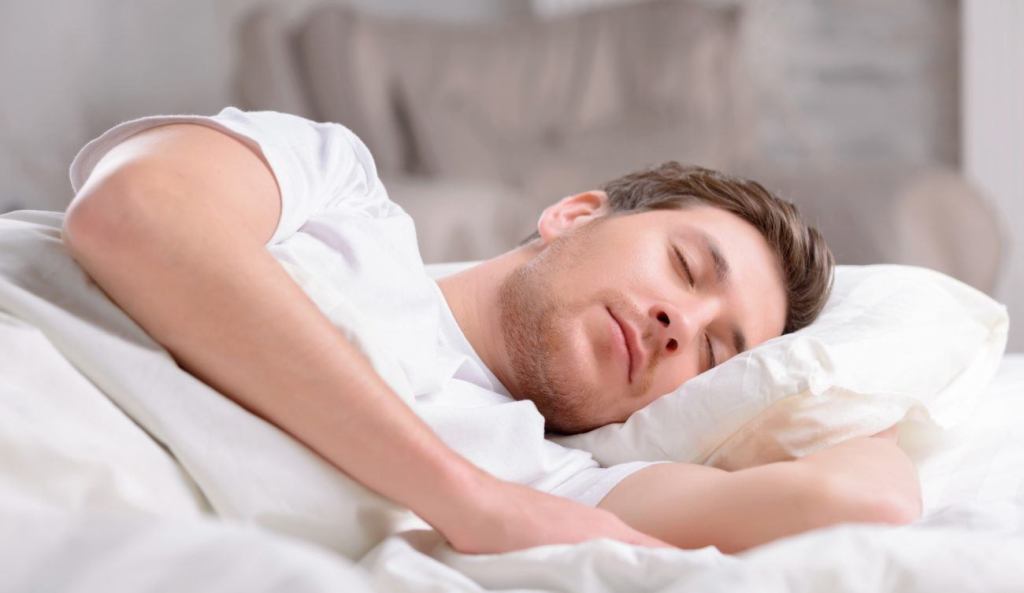
There is a known saying: «the guarantee of Health in a restful sleep.» Questions about the duration of sleep worry all lovers of physical education and a healthy lifestyle. A normal sleep is such a dream, after which you feel rested and cheerful. Each person feels immobile and notes a decrease in attention, mood and performance if several hours of sleep are not enough. What does it mean to reduce performance for an athlete? The athlete who does not sleep performs poor-quality training, shows low results.

Therefore, sleep is the main recovery event for the athlete! Prolonged sleep is important for athletes, regardless of their style. During sleep, the activity of the physiological functions of a person decreases, the forces of the body are aimed at restoring the energy expended during the waking period. Sleep can not be replaced by any other means-neither food, nor outdoor walks.

Gabby Badr, a sleep disorders specialist at the London Clinic, believes that lack of sleep negatively affects the state of our immune system and makes our body more vulnerable to diseases and Infectious Diseases. In addition, lack of sleep affects a person’s ability to think and concentrate.

Scientists engaged in the infographic of the company Ffunction and Zeo calculated that if a person does not get enough sleep, a person may have a slowing of the reaction, a decrease in metabolism, as well as a feeling that everything is given much more difficult than is actually the case. Irregular sleep can reduce metabolism by almost 30%. Sleep disorders increase the risk of exhaustion by 11%. Irregular sleep not only reduces the speed of reaction. It is proved that, engaged in the gym, the athlete who did not sleep after four days reduces the maximum lifted weight by five kilograms. And after thirty hours without sleep to perform the same actions, the athlete has to spend up to nineteen percent more energy.

A good sleep contributes to the Prevention of various diseases, prevents the development of chronic fatigue, absent-mindedness, negligence. it is proved that regular and full sleep helps, for example, tennis players to improve the accuracy of shots by 42%. A harmonious sleep regime helps swimmers improve their initial response by 17%.

So, American Scientists from the sleep Professional Association conducted a study of 5 Healthy Students of Stanford University of men’s and women’s swimming teams. During the first two weeks of the experiment, a normal sleep regime was maintained. The duration of sleep was then extended to 10 hours a day for 6-7 weeks. Sports results were evaluated after each training. After additional sleep, athletes swam 15 meters distance 0.15 seconds faster, improved the rotation time by 0.10 seconds.

From a medical point of view, most leading specialists tend to believe that on average a healthy person needs to sleep about 7-8 hours, but with significant physical exertion, especially during the preparatory period, the athlete’s need for quality sleep increases and should be at least 9 hours at night.

The founder of bodybuilding, Joe Vader, in the popular book Body Building System, also writes that muscle growth is based on the depletion of muscle energy. It takes time and rest for the energy reserves in your muscles to be replenished. Vader insists that an athlete who wants to achieve an optimal muscle growth rate must provide enough sleep and rest and allow the body to recover between workouts.

Joe Vader recommended athletes to use techniques to calm emotions before falling asleep and release consciousness from all negative and frustrating impressions received during the day. «Get rid of these harmful States, and then immediately focus on peace, harmony,success, victory. Establish a new productive state of thought by forcing negative phenomena to evaporate, and then project and affirm the ideals that you want to achieve. Mentally scroll through the video tape of success and building muscles in your mind and form a sense of confidence and Grace. A relaxed and positive state of consciousness will allow you to quickly fall asleep!», writes the founder of bodybuilding in his book.

In modern bodybuilding it is believed that if an athlete works on the result, on increasing the working weight, then sleep should last from 8 to 9 hours. It is this duration of night rest that will allow the athlete to gain strength, and the body to rest and recover after intensive training.

If the bodybuilder is trained simply to have a beautiful body, is engaged in athletics or an easy level of bodybuilding, then this sport can sleep less — about 6 hours.

When a person sleeps, the body unfolds the construction of new tissues and the removal of damaged and non-active old ones. During sleep, the level of anabolic processes increases significantly and the level of catabolism decreases (but it remains and gradually gaining strength). About 90% of the daily production of growth hormone occurs exactly during sleep. There is also an activation of t-lymphocytes, which are responsible for our immunity. In simple words, during sleep, we not only grow, but also recover. That is why, when a person is sick, he often tends to sleep, so that the body wants to start the recovery process.

But during sleep, the digestive system during sleep practically does not work, but since there is an active synthesis of proteins and amino acid metabolism, the body extracts the energy necessary in the process of destruction of muscle cells. That is why in the general recommendations on Nutrition in bodybuilding there is the mandatory intake of casein protein at night and the morning intake of a protein mixture (which allow you to restore these catabolic processes and start anabolism). In addition, in bodybuilding, the first meal after sleep is quite important, that is, breakfast. Morning meals give impetus to the Promotion of metabolism, so it is not recommended to skip breakfast to athletes.

The performance of the athlete will be influenced not only by the duration of sleep, but also by its quality. Even if a person sleeps 10 hours a day, but for some reason often wakes up, the quality and effectiveness of such sleep tends to 0.

Therefore, a person who leads a sports life must create an environment for a healthy sleep. For a restful sleep, you must first monitor the regime of going to bed, as well as ensure peace and quiet, the absence of stimuli that can cause excessive excitation of the nervous system, fresh air.

You can not train before bed. After all, after physical exertion, the nervous system is strained and can not quickly calm down, so there is a risk of not falling asleep for a long time.

In case of a sleep disorder, it is good, before going to bed, walk a little, make a foot bath or take a bath, drink soothing infusions. It is not recommended to exercise before going to bed, drink toning drinks at night (coffee, black or green tea, etc.), eat a lot. You can use sleeping pills only on the advice of a doctor.

Many athletes note that the day after training they really want to sleep. This is due to the fact that during intense movement, adenosine triphosphoric acid is produced in the body, which affects the brain, reducing its activity. Therefore, the body needs sleep.

Therefore, many professional athletes introduce a short day’s sleep into their diet. An experiment conducted at the Biological Research Institute (San Diego, USA) showed that even after a short day’s sleep, the working capacity, and therefore the productivity of the athlete, increases significantly. Athletes who are in preparation or recovery should sleep after lunch 1-2 hours, as they need more rest time to form a phase of slow sleep and muscle relaxation (the phase of slow sleep gives rest to the muscles, which is especially important for athletes).

Study: a sufficient minimum for fitness results

Scientists were able to accurately calculate the effective duration of training sessions, and the figure is not as high as expected.

Many people are used to thinking that losing weight, improving the contours of the body, seeing the relief (necessary — emphasize) can only be if you train a lot. Of course, not too much — until exhaustion, but at the same time and not little. Scientists were able to accurately calculate the effective duration of training sessions, and the figure is not as high as expected.

A 1.5-month experiment of scientists from the University of Glasgow showed that it is enough to train three times a week for only 15 minutes to quickly achieve a visible effect on the figure and specific health benefits in addition to improving metabolism. Of course, there are reservations: this is intensive training «on resistance», that is, in a mode that will not allow the body to feel comfortable. For this purpose, you can use, for example, trendy HIIT workouts. According to the results of the study, positive changes became noticeable after two weeks of classes on such a schedule.

As for the benefits of such a high-intensity training program, the scientists cite as examples two main indicators that were measured in the participants: muscle strength (it began to increase) and insulin sensitivity. The latter increased by 16% — which means that training like HIIT can better change the state of those who suffer from Type II diabetes (it is associated with insulin resistance, in which the body ceases to respond to the action of insulin — the blood sugar level does not decrease). For overweight people — the participants in the experiment were 10 men with such a problem-15-minute high-intensity workouts proved effective to the same extent as 45-minute workouts.

The organizers of the study do not call for limiting the training time — of course, of a longer duration and the benefits will be greater. But this is a reason not to use as an excuse the lack of time: even 15 minutes of classes several times a week will bear fruit.

How do fitness breaks affect your health?

The fact that prolonged breaks in training are equal to the loss of the previous physical form, everyone is well known. But not everyone imagines what processes occur in the body, if you give up fitness for a long time. Scientists understood the question.

The latest research is another proof that active rest is always better than idleness, and even without movement. Scientists at the University of Liverpool last year conducted an experiment involving 45 men and women who, in terms of metabolic processes, were healthy and passed at least 10,000 steps a day, that is, they were quite active. As it turned out, if they reduce their mobility by 95% (for example, reduce the number of steps to the mark <2000, and add «sedentary» hours of about 3.5) for at least two weeks, this will turn into «metabolic disorders», as reported in the scientific journal Diabetologia. Worsening of the cholesterol profile, increased blood sugar and decreased insulin sensitivity, loss of muscle mass and the appearance of more voluminous adipose tissue were what the study participants expected after a crescent without training.

Fortunately, most subjects managed to return to normal as soon as they started training again; however, not all. Some of them, even after two weeks, had symptoms of insulin resistance.

More noteworthy is the study of The Journals of Gerontology, published a little earlier than the previous one. It was carried out with 65-year-olds with problems with overweight; hyperglycemia is the reason that they were close to the development of Type 2 diabetes. And this despite the fact that their activity remained at a good level — this is 7000-8000 steps per day.

It cost them to reduce this number to 1,000 steps (or even less), as blood sugar control deteriorated significantly. Changes in muscle tissue were observed, which resulted in weight loss. Some, by the way, even had to be removed from the experiment in order not to expose them to the risk of diabetes. What was surprising was not so much these consequences as the fact that there was no resumption of rehabilitation activity after two weeks. People in the age category taken by scientists were not so easy to reverse the metabolic changes that had occurred to them.

Thus, in adulthood, lack of activity is equivalent to a high probability that health problems will begin. The older a person, the more difficult it is for him to overcome the consequences of training interruptions. So it’s better to stay steady in motion — if you do not train, then at least walk, arranging yourself a walking cardio.

How do I improve my posture with fitness?

Sometimes the advice to «keep your back straight» is not enough. Posture is corrected by workouts, procedures such as massage and even psychotherapy-believes the coach of the Leninsky World Class gym Sergey Chaplygin.

«Posture is the usual posture when standing, sitting or moving. It is important not only from an aesthetic point of view, but also for the health of the musculoskeletal system; when the posture is correct, the muscles are developed in a balanced way, there is no additional load on the joints, the internal organs are in an optimal position, nothing prevents the optimal movement of fluids-blood and lymph, — in addition, posture affects the psychological state of a person, his self — esteem.

A separate concept is the correct posture. Simply put, posture can be called correct when a person has a vertical foot, pelvis, rib cage and head approximately on the same line. When the natural curves of the spine are preserved.

What factors can affect posture, making it incorrect?

Neurological. It is about the ability of the nervous system to participate in maintaining the right muscle tone.
Structural. Here we mean that for correct posture, the optimal state of such structures of our body, such as myofasces, is necessary.
Psychological. Depending on the mental state, a person can slouch if closed or, on the contrary, straighten out when open, in an “optimistic”mood.
Social. An example is the dependence of posture on Sex: Girls may have a greater deviation in the lower back and chest, which is due to their sense of femininity.

There are different types of posture disorders. What unites them is that over time they cause tissue wear, which affects health.

When thinking about the solution of the problem, you should understand that you need only a doctor to correct serious violations. With small changes in posture, it is also possible to work with fitness using such tools as gym classes, Pilates, stretching, myofascial release.

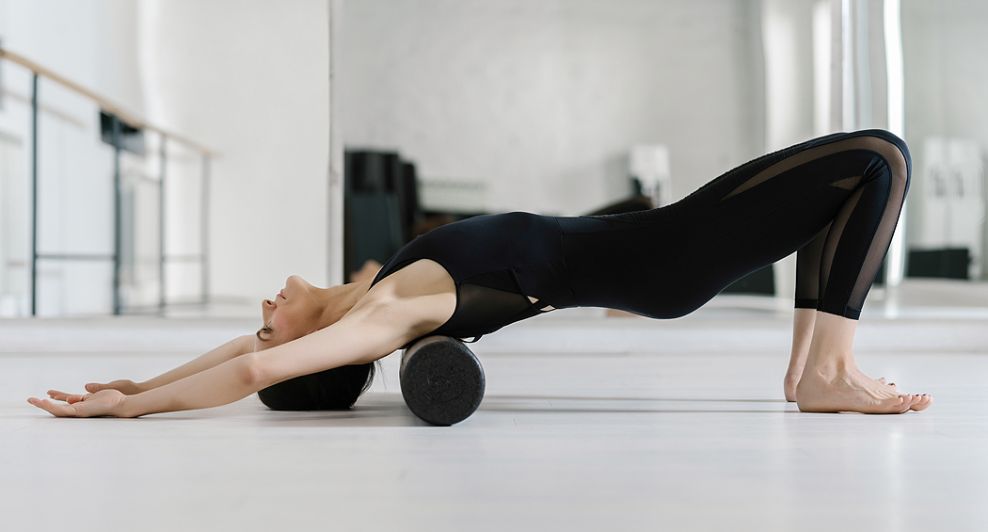
With violations of posture, you need to lie down, stretch the muscles that are overstrained. Weakened, on the contrary, lead to tonus. For example, when the hip flexors are overstrained, the slope of the pelvis changes, the deviation in the lower back increases, which causes pain. There must be a balance between flexors and extensors. Overworked pectoral muscles can increase sagging. In English, the posture is » posture»; one of the three layers of skeletal muscles is the postural muscles that are between the vertebrae, the processes of the vertebrae. Their task is to control the spine. If you activate them, it will help improve posture over time (of course, not in one activity, it’s a long process and even a way of life).

To change posture, I would say that it is usually necessary to change the stereotype of a person’s movement using basic exercises. Such as:

— squat;

— tilt;

  • presses and deadlifts;

— lath.

No need for special exercises. Enough and so simple, only they need to be performed, keeping a neutral position of the spine. To understand your neutral position of the spine, you can take a body bar and press it against the back so that it touches the sacrum, the space between the shoulder blades and the nape. When these three points are on the same line, the spine is in a neutral position.

It is important that the whole process takes place under the guidance of the coach, as he can observe the distribution of the load, the position of the body and its curves, adjusting them if there is a deviation from the norm. Workouts should be regular, as they involve learning new motor skills, neuromuscular interaction. To progress, you need a moderate pace of work and high motor control.

In addition, Pilates helps. It uses special equipment that involves the work of deeply located postural muscles (they are “responsible” for the optimal posture); this helps to form a faithful stereotype of movement. In English, posture is» posture»; one of the three layers of skeletal muscles is the postural muscles that are between the vertebrae, the processes of the vertebrae. Their task is simply to control the spine. Here we further teach the nervous system to the formation of correct posture. And in the gym, working with weights, we increase the strength of muscles — also necessary for a healthy back. There is also myofascial release: this is an activity that represents an alternative variant of massage. MFR improves the elasticity of tissues and makes them more malleable to changes.
What else to do in everyday life to maintain posture?

«It is necessary to do fitness, but on the other hand, it is important to have enough rest, to give the body a recovery, because overwork also causes violations of posture,» says Sergey. — Move more during the day, wear comfortable clothes, limit the time behind gadgets (because of them, the problem is common only moving the head forward), properly organize your workplace and seat behind the wheel-it is better to lift the seat higher, so that the sciatic bones serve as a support, it is also worth limiting the intake of caffeine, which stimulates the sympathetic part of the nervous system: if you drink too much coffee during the day, excitement appears, , breathing passes from the depth to the surface, which ultimately affects the posture, including».

Without getting up: 9 exercises that you can do on the spot

Even those who do not allow themselves excuses for skipping workouts sometimes have to fail. In this and in many other cases, when there is no possibility to reach the room (strength, time — anything), there are exercises that can be performed on the spot, and practically without moving.

Which, however, does not affect their positive effect. Says Tatiana Cheresova, master-coach of the gym at the Club World Class Capitol.

Some exercises are compatible even with the workplace in the office, and their execution can remain invisible to colleagues. Tatiana Cheresova advises to focus on statics: «she uses a large number of motor muscles. This is a very energy-intensive exercise.»

Back

  1. Make circular movements with your shoulders back. On the fifth «turn», maximally reduce the shoulder blades from behind and stay in this position-you need to hold the position for 5-10 seconds. This will work the muscles of the back. Set aside 5 seconds to rest. Continue the repetitions for a minute.

Pectoral

  1. Bend your elbows at right angles and close your palms in front of you. Press them to each other, applying force, for 5-10 seconds. Relax your arms, then repeat the exercise several more times.

Tutu

  1. Create muscle tension in static for 20-30 seconds. After a brief relaxation, repeat the exercise.

Gastrocnemius Muscle

  1. To keep them in shape, you can perform the following exercise: put your hands on the hips, put your feet on the socks, and then start pressing with your palms to create resistance — the legs should be fixed on the socks. Hold in this position for 5-10 seconds and remove the tension.

Press

  1. Sit on the edge of the chair (with your hands you can stand at the armrests), and then remove your legs from the floor straight. Stay in this position for 30-40 seconds — the time can be increased depending on the preparation.
  2. Sit straight and pull the stomach (namely-the area around the navel), as if trying to «pull» to the spine. Try to stay in this position for about 30 seconds. Repeat the exercise several times.

Neck

  1. Turn the chin to the clavicle. Tilt your head to the left, with your right hand, pull it, «holding» the temple, down. During this time, try to raise your head in response to the pressure of your hand. Hold the resistance for about 5 seconds. Then relax. This exercise stretches the muscles well, helping to relieve tension in the collar zone.
  2. Grasp the back of the head with your hands and tilt your head forward. The principle is the same: hands should be pressed, the head tends to straighten. Approximately 50 seconds pass in such resistance and release the head.
  3. Place your fists under your chin and press your hands. 50 seconds of resistance and 3 repetitions of this exercise will help «stretch» the collar zone, despite the fact that they begin with statics. The relaxation that follows does its job.

9 exercises for working out the whole body

Tractor

«Exercise is performed both with a barbell and with dumbbells or with a medicine ball. Let’s take the version with dumbbells as an example.

The starting position is standing, dumbbells should be held in front of them on arms outstretched at shoulder level, elbows should “look” to the floor.
Begin the movement of the squat in parallel with the floor (angle in the knee joint-90°).
Inhale, and on exhalation align the body and raise your arms so that the shoulder joint, elbow and hand are in a straight line.

Muscles of the posterior surface of the thigh, quadriceps, muscles of the cortex, deltoids, triceps will work-and all this at once.

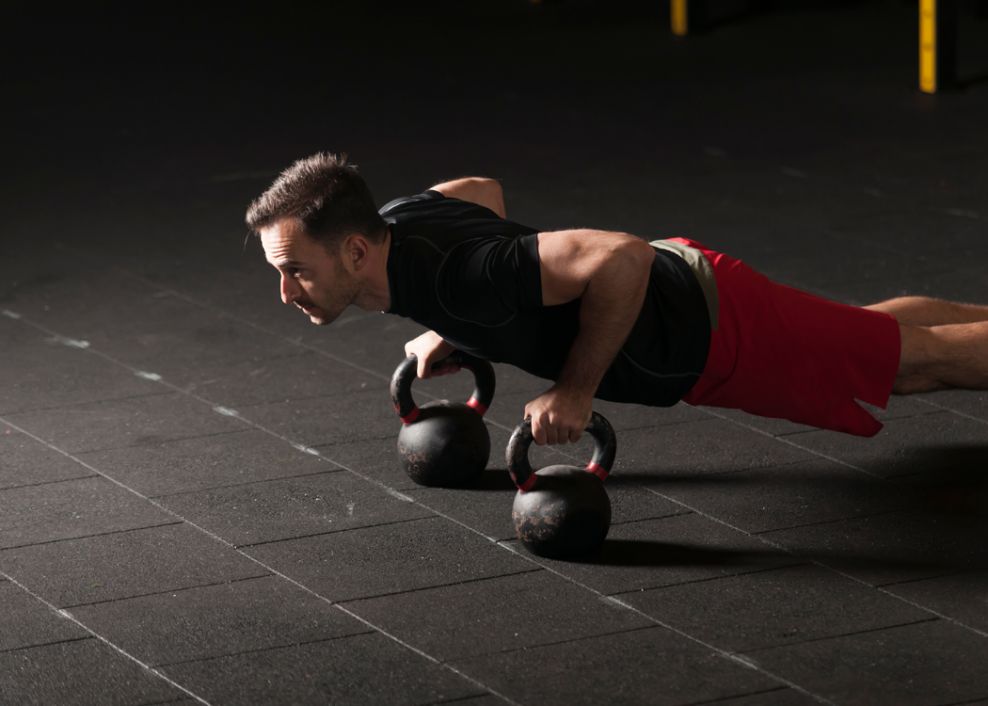
Push-up Renegade

«The exercise uses dumbbells. You can choose a weight from 6 to 15 kg.

The starting position is the emphasis lying down, dumbbells are held in the hands under the shoulder.
First, the push-up is performed (the chest should be lowered at a distance of 3-5 cm from the floor level).
Then, on exhalation, the starting position is taken.
With one hand, pointing the elbow to the ceiling, lift the dumbbell to the level at which the hips are fixed.

Repeating the exercise, alternate the arms when lifting dumbbells. 10 times will be enough, but you need to focus on your level of preparation. When doing push-ups, it is important to keep the press taut, back straight and not allow strong rotations of the body. The greatest load will be felt by the pectoral muscles, the muscles of the press, the widest muscle of the back. Part of the load will be static, so all muscle groups will be included in the work.

Tire rollover

«This functional exercise involves all muscle groups and its effect is comparable to that of traction.

Stand near the tire, feet should be shoulder width apart or pelvis at an angle of 45°.
Make a seatpost and grasp the bottom edge of the tire, making sure that the back is straight.
On exhalation, stand up and throw the tire with a shock motion.

You can work on the number of repetitions (optimally — 10 times) or on the Tabata system (this is 20 seconds of load, for which you need to make the maximum number of repetitions, and 10 seconds of rest)».

Swing with kettlebell

«The back of the thigh, hip extensors, gluteus maximus, back and chest muscles (including femoral muscles) will all be involved in this exercise.

Place your feet shoulder width apart. Take the kettlebell in your hands.
Make a saddle-you need to put the pelvis back.
Then rotate. To do this, you need to apply the pelvis forward — and for this reason, lift the weight at shoulder level, so that the straightened arms and trunk form a right angle.

This movement is used in many directions until the training of athletes in mixed martial arts. Those who have never tried the exercise, it will be useful to know that the kettlebell should not be lifted by the force of the hands (this is a common mistake) — you need to work with the whole body.

Burpy

«This is an exercise among those that are performed with their own body weight.

The starting position is standing, arms down.
Movement begins with the seatpost. Bringing the legs back through the jump, you need to transfer the weight of the body to the straight hands placed on the floor. In this way, you get a prone position (make sure that the back is straight and the press is strained).
Then, in the dynamic version of Burpee, it is enough to lower the torso down to touch the floor with the chest and return to the prone position.
Then make a jump so that your feet are close to your palms.
From the seatpost, make a jump to the top, supplementing it with cotton wool above your head with outstretched arms.

Common mistakes when performing burpees are that the fact that the movement begins with lowering the arms to the floor — only after that the legs are moved back. You also need to make sure that the palms are under the shoulders, not in front or back, otherwise you will have a load on the shoulder joints. Like many other multi-joint exercises, Burpee engages the whole body: arms, shoulders, pectorals, cortex, legs. It is performed to develop endurance — the movement turns out to be very energy-consuming due to work in two planes (horizontal and vertical). 10 dynamic burpees are enough to get a tangible load.»

Squats with jumping

«Jump squat’s are” explosive» movements that can be made even more fashionable indeed if you add weight (dumbbells, kettlebell or disc).

Place your feet shoulder width apart. Lower your hands along the body.
Perform the seatpost at an angle of 90. On exhalation, get up and make a jump: the task is to straighten from the toes to the fingertips.
After landing, return to the squat.

To achieve a good result, perform 20 repetitions-towards the end you will feel a burning sensation in your legs. If you add weighting, hold the object on outstretched arms (including in the jump). It is also necessary to keep the back flat, avoid slopes, so that there is no pain in the lower back.»

Farm walk

«To understand how the exercise is done, it is enough to imagine how you carry heavy bags in both hands of the supermarket. Work the muscles of the forearm, the muscles of the cortex.

Place two cones 10 meters from each other and move from one to the other with weights — kettlebells or dumbbells of medium weight. Move on this “road”, making medium and even steps, for three minutes (it is important that the arms are fixed close to the body, but the dumbbells or kettlebells do not hit the hips at the same time; so that there is no deviation in the lumbar region). Then give yourself rest. One possible option for a break is a change in load: you can, for example, stand in the bar.»

Slam with medball

«It’s a ball throw in the ground: choose a padding with sand weighing from 4 to 6 kg.la starting position can be taken on the floor or on an elevation-take a step height at the level of the shin or boxing, which will be at the knee.

Stand on the steppe, place your feet shoulder width apart.
Raise the ball above your head in straightened hands.
With a powerful and explosive movement, throw the ball down, as if looking to get a pit in the ground.

During this exercise, the cortex, shoulders, legs work. To properly perform it according to the technique, you should avoid rounding in the back, even when throwing. In addition, you should not do it on straight legs, you need a light saddle.»

Hammer blows on the tire

«Two inventory items are involved in the exercise: a tire and a hammer (for men, weight — from 20 kg) or a bodybar (for girls). If physical training is not yet enough, they can not knock, but create an imitation of a Boa, observing by the way all the technical nuances.

Stand in front of the tire with your feet shoulder-width apart. Grasp the hammer so that the gap between the two hands is about 10 cm.
Sit down, through a circular motion, throw the hammer behind your back. Then straighten up and hit the tire with a hammer, holding it with straight hands.
The hammer must come off so that you can repeat the movement. 10 repetitions are enough for optimal load.

An important nuance: it is not necessary to strike with the edge of the hammer, but with its wide outer part, so that the contact area is larger and the distance itself is more qualitative.»

Gym and hygiene: basic rules

As in all other public places, the issue of hygiene is relevant in the gym. However, there are specific nuances that can be neglected, but it is better to know and remember — out of respect for others and self-care.

Shower

To go to the gym, you must always put more time than necessary for the training itself in order to comply with important hygiene rules. It is mandatory to go to the shower after physical activity, which is necessary to wash off sweat and other impurities that have settled on the skin during the load, cleanse the hair and generally refresh. Those who go to the pool, this also applies because the chlorine particles of water remain on the body, which is responsible for the dryness of the skin and hair.

There are recommendations for going to the shower and charging — for example, to wash off traces of an antiperspirant that blocks the activity of sweat glands, narrowing their ducts. For girls, the advice is relevant because cosmetologists recommend them to wash off makeup before training.

Shale

Rubber slippers-a must have, including for those who do not visit the pool: in the shower without them it is better not to go. In them it is better to change so as not to step on the floor, on which the dressing rooms walk in street shoes. It is important to remember that shales protect the skin from bacteria as long as they are clean — they also need to be washed so that they do not accumulate with contaminants and germs that can cause infection.

Metal bottle

The presence of a reusable water bottle is also dictated by the ecological rules of visiting fitness clubs. Only instead of plastic bottles it is advisable to choose metal — stainless steel. The fact is that the plastic is easily damaged, and scratches and cracks (including with the prefix «micro» — imperceptible to the side view) become, again, foci of reproduction of bacteria. Since most people do not wash, but simply rinse bottles, this can practically not be avoided.

Carpet

Fitness clubs try to create the maximum comfort for their visitors, providing them with everything necessary so that they do not have to carry the equipment — weights, dumbbells, mats. The latter, however, many are always individual. And this precaution is not meaningless: those carpets, which are in the public access, visitors to the Club, after working, are hardly wiped after themselves, they raise their feet in shoes. If you are not ready to go to the gym with your own, you can reduce the risks by putting a towel under your hands and head.

Towel

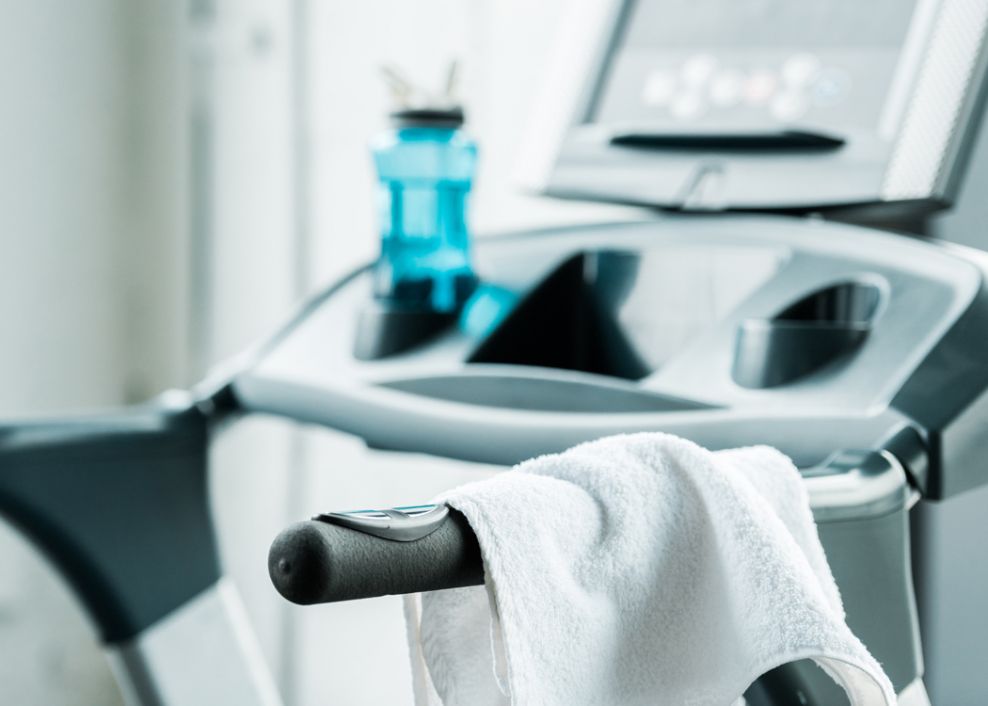
Speaking of towels. Of course, they are not only needed in showers. They are advised to wipe the handles of exercise equipment (if you do not use disinfectant gels or, for example, wet wipes). Another way to take care of the cleanliness of the hands — immediately after the course on the simulator, wash them thoroughly with soap (by the way, until this moment you need to monitor yourself and not touch the face with dirty hands). The towel can be laid on seats, benches. And after, to remove drops of sweat from the face, neck, hands, you will need, of course, another cool towel. Take a towel with you and in the sauna: it will help, first, do not get burned, secondly, avoid irritation on the skin.

Glove

Lovers of strength training with a barbell and other similar objects are helped by special sports gloves, which, by the way, not only help to keep hands clean, but also facilitate work with weights. On cardio devices with handles, fitness gloves can also be useful — contact with dirt will be much less than usual.

Cosmetic bag and bag

In order for the sports bag not to become a place of reproduction of bacteria, it must be immediately «discharged» when returning from training. First of all, wet clothes should be removed and sent for washing; shoes should be stored in a bag, however, they should not either. Plastic cosmetic bags should be washed periodically so that germs do not collect in them.

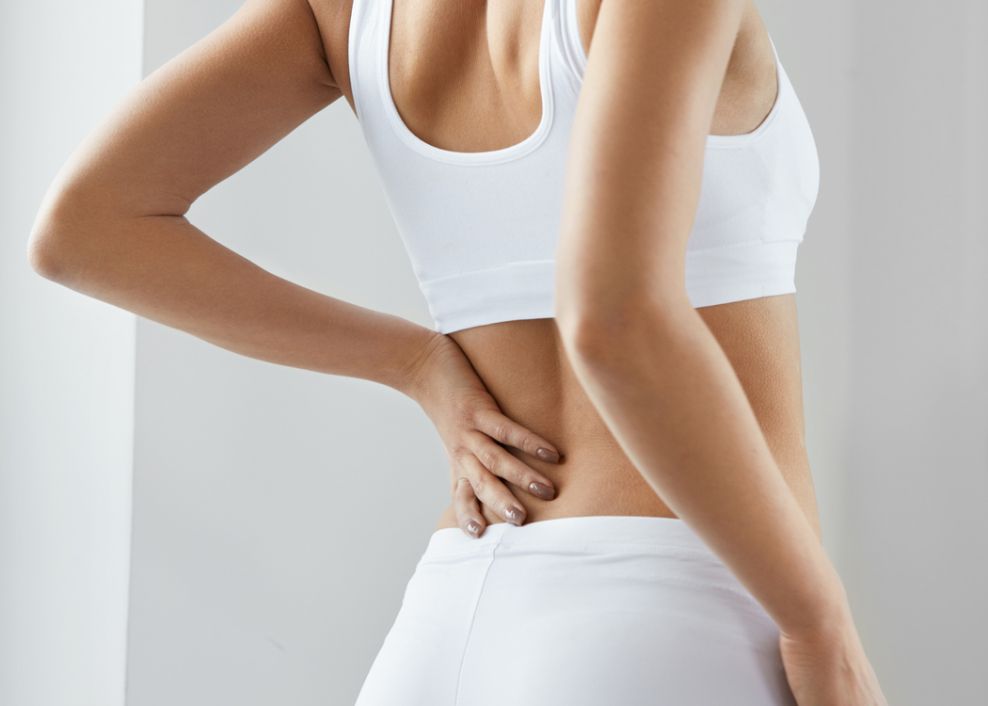
What should I do for muscle pain?

According to an established opinion, muscle pain is a sign that the training was successful. Although pain is usually an attempt by the body to convey to us: something is wrong. We understand how it is really necessary to perceive the body’s reaction to physical activity, together with a world-class expert.
About muscle pain after sports

Said Alexander Oreshkov, master-trainer of the gym in the Club World Class yartsevskaya.

«Muscle pain, relatively speaking, can be divided into two categories:

The first is the pain that appears in response to the load, if chosen correctly, adequately to its intensity. Unpleasant sensations are due to the fact that the muscles are injured, the inflammatory processes “start” and the body is trying to recover. However, pain does not interfere with everyday life.
The second is the pain that occurs when the tissue is not injured, but the muscle cells themselves. With such pain it is difficult to get up, bend over, laugh or cough. The consequence of these exercises can be tissue fibrosis, a very difficult reversible process; the older a person, the more difficult it is to cope with this. Scars on the skin are connective tissue. With muscles, when they suffer a lot of improper damage, the same thing happens: they overgrow the connective tissue.

So, after training, the muscles can be» pleasantly » pampered. But if it is a question of the fact that the movement of pain must pass through force, a person after a few incorrect workouts will simply cease to engage — few people want to experience such torments on a constant basis.

By the way, muscle pain after exercise is not related to lactic acid — it is excreted from muscle tissue within 1.5 hours after exercise. Muscles are «acidified» during the load, when active contractions do not have time to saturate the oxygen that enters the blood; from lactic acid there is a burning sensation at the end of the exercise. The cause of pain the next day are just the same microtraumas in the muscles.
Should I avoid muscle pain? Or is this the norm?

«Many of those who are actively engaged in fitness, still live with an erroneous belief: if it does not hurt, then poorly trained — says Alexander Oreshkov. — However, you need to understand that each person has his own pain threshold. Someone can do 100 squats and without muscle pain after exercise. Another person after such a charge the next morning can not move.

You can get rid of muscle pain only through trial and error. Each person has his own characteristics, and the coach sometimes can not predict how the body of his ward will react to this or that load. It should gradually increase, training should change, moving from easy to difficult. It is not necessary to set Olympic Records on the first visits to the gym. This does not mean that the load should not be at all: it should be felt, but should not be excessive.»
Is it possible to train «through pain»?

«With pain in the muscles, the bad will train with an emphasis on painful areas. With the help of pain, again, the body “communicates” with us, saying “»I need time to recover.” If, for example, the legs hurt, you can calmly walk on the treadmill so that the blood circulates more actively and “brings” to the muscles the substances that it needs to restore. However, it is not possible to make accelerations in this situation: the muscle is injured, and they again want to work actively, when in fact they need a break to recover.»
How to alleviate muscle pain?

«An adequate Heart Load will help-it will reduce pain by creating a rush of blood, with which the muscles will receive the nutrients they need. Then the recovery will take, say, not 2 days, and 1 or 1,5 — continues Alexander. — The pain is also dulled due to the warming up of muscles and hormones produced during physical activity. Massage works on a similar principle-it is a passive load, which also increases blood circulation.

Another point is proper Nutrition: the diet should contain foods containing proteins necessary for muscle repair. And it’s not only chicken breast, but also red meat, fish, seafood, vegetable protein. The more varied the Nutrition, the better the recovery, because with different foods the body also receives different trace elements.

Eliminate muscle pain will help the regularity of fitness, because in the process of “training” and the central nervous system: over time, thanks to this, we no longer perceive pain in the muscles, we become less exposed.

Protein requirements during training

At all times, athletes considered proteins a key food element, on which sports successes largely depend. If the ancient Olympians pumped themselves with protein, eating meat in unimaginable quantities, today’s athletes have at their disposal a huge range of food additives. Proteins play an important role in a person’s return on exercise. Amino acids of proteins form the constituent elements from which damaged living tissues, including muscles, are formed and repaired. From these same constituent elements, hormones and enzymes are produced, regulating metabolism and other functions of the body. In addition, proteins are, although poor, but an important source of energy. Some scientists believe that athletes who train intensively for endurance, the need for protein increases to a maximum of 1.2-1.7 grams per kilogram of weight at the recommended norm for sedentary people of 0.8 g/kg.However, there is no clear and unequivocal evidence of this. This ambiguity is partly due to the imperfection of the scientific methods used to determine the body’s protein needs.

There is no need to discuss how much protein an athlete needs. Studies of nutritionists have shown that most athletes consume with food alone, without taking protein supplements, even more protein than expected at the maximum recommended norm. Therefore, it is not necessary to encourage them to increase protein intake. But, to be fair, it should be noted that all these studies were conducted on athletes adhering to a typically “Western”diet. To date, we do not have sufficient information about athletes with other food addictions.

Lack of protein most threatens athletes with a low-calorie and monotonous diet. To maintain the protein balance in the body, it is important that food is sufficiently caloric.

Although in strength sports and Bodybuilding, some athletes consume more than 2-3 grams of protein per kilogram of weight per day, there is no evidence that this increases the yields of training and promotes the increase in strength and muscle mass. Such a diet can not be called harmful, but it is quite expensive and does not always contribute to the achievement of nutritional goals, such as providing the body with the energy necessary for sports.

The latest research pays special attention to the body’s response to exercises that develop strength and endurance in the athlete. Improving the protein balance in the body is the main goal of the recovery phase. It compensates for the accelerated protein breakdown induced by the load and promotes recovery, adaptation and muscle growth after exercise. Protein synthesis in the body is enhanced by eating a small amount of complete proteins in combination with carbohydrates. In addition, there is information that the desired response of the body is strengthened if nutrients enter it immediately after exercise or, in the case of heavy loads, immediately before it.

In the light of this information, it makes sense to focus more on the overall balance of the protein and carbohydrate diet and the timing of its intake in relation to the training program than on the absorption of large amounts of protein-rich foods.

Need for protein during training

Special sports Nutrition – all kinds of bars and drinks – is convenient for replenishing carbohydrate and protein reserves in the body in cases where the usual food is not available or for its reception there are no conditions. But it should be taken into account that such Nutrition creates an additional financial burden and does not contain a full set of nutrients. But in the use of expensive protein powders and amino acid preparations there is no sense: ordinary food in its effectiveness is not inferior to them.

Fitness on the water

Aquatic Fitness and its benefits

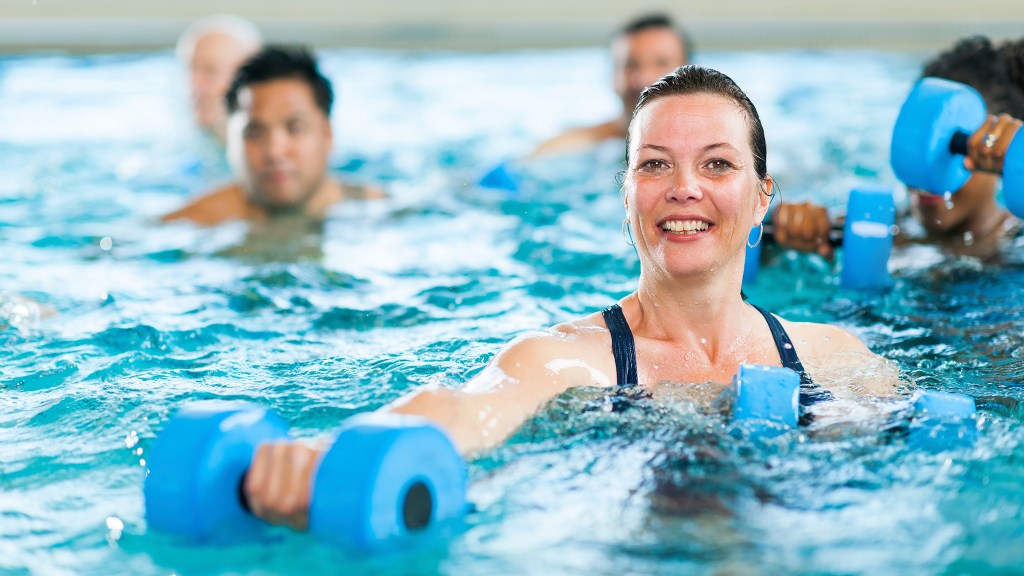
Unlike the normal physical form, where muscles and other systems of vital activity are affected by the force of attraction, in the physical form on the water gravity decreases. And to replace it, they begin to withstand the ejection force. And this means that the load on the weight and joints is significantly reduced. By mitigating shocks during jumps, the risk of injury is reduced, which is important for obese people, for the elderly, pregnant women and simply for those who are physically weakened. Doing fitness on the water, you will get real pleasure, you can improve your figure, feel comfort and ease of movement.

Water fitness helps to relax after a hard day’s work, relieve tension and stress, strengthen the nervous system, get rid of extra pounds and, in general, improve your health and well-being. Due to the fact that the massage effect is formed in the water, you will improve blood circulation.

The most effective are exercises in deep pools, which you can easily find by coming to almost any fitness center in your city. Exercises under water with hands and feet are especially beneficial, which simultaneously exerts pressure on the muscles of the arms, legs, abdomen and back. In addition, the fitness program on the water includes exercises for flexibility and elasticity. But it is worth to beware of sudden movements, as there is a risk of rupture of muscle tissue and ligaments.

Fitness on the water

It is recommended to start training with a small fifteen-minute warm-up, you can just swim a little. After that, you can start the basic program of classes, and then pay attention to exercises aimed at strengthening and improving the cardiovascular system. You can finish the training with exercises to restore the body.

Note that the water temperature in the pool should not be below 15°C. But if at the end of classes you feel cool, then the temperature should be increased. When doing fitness on the water, pay special attention to your breathing and try to keep pace.

Создайте подобный сайт на WordPress.com
Начало работы